
Quick answer
Artificial intelligence can find and grade prostate cancer on digital slides. In large studies, its agreement with expert pathologists was close to the agreement they have with each other.4,5 In my PhD at the University of São Paulo, agreement with uropathologists reached 89% in a small study, with one of the methods tested.1 The technology helps the pathologist, and the diagnosis remains theirs.6
Why pathology
The diagnosis of prostate cancer depends on the pathologist reading the slide. The number of biopsies is growing, there are not enough uropathologists in the world and two specialists may give the same slide different scores. This variation can lead to overtreatment or undertreatment.4
How it works
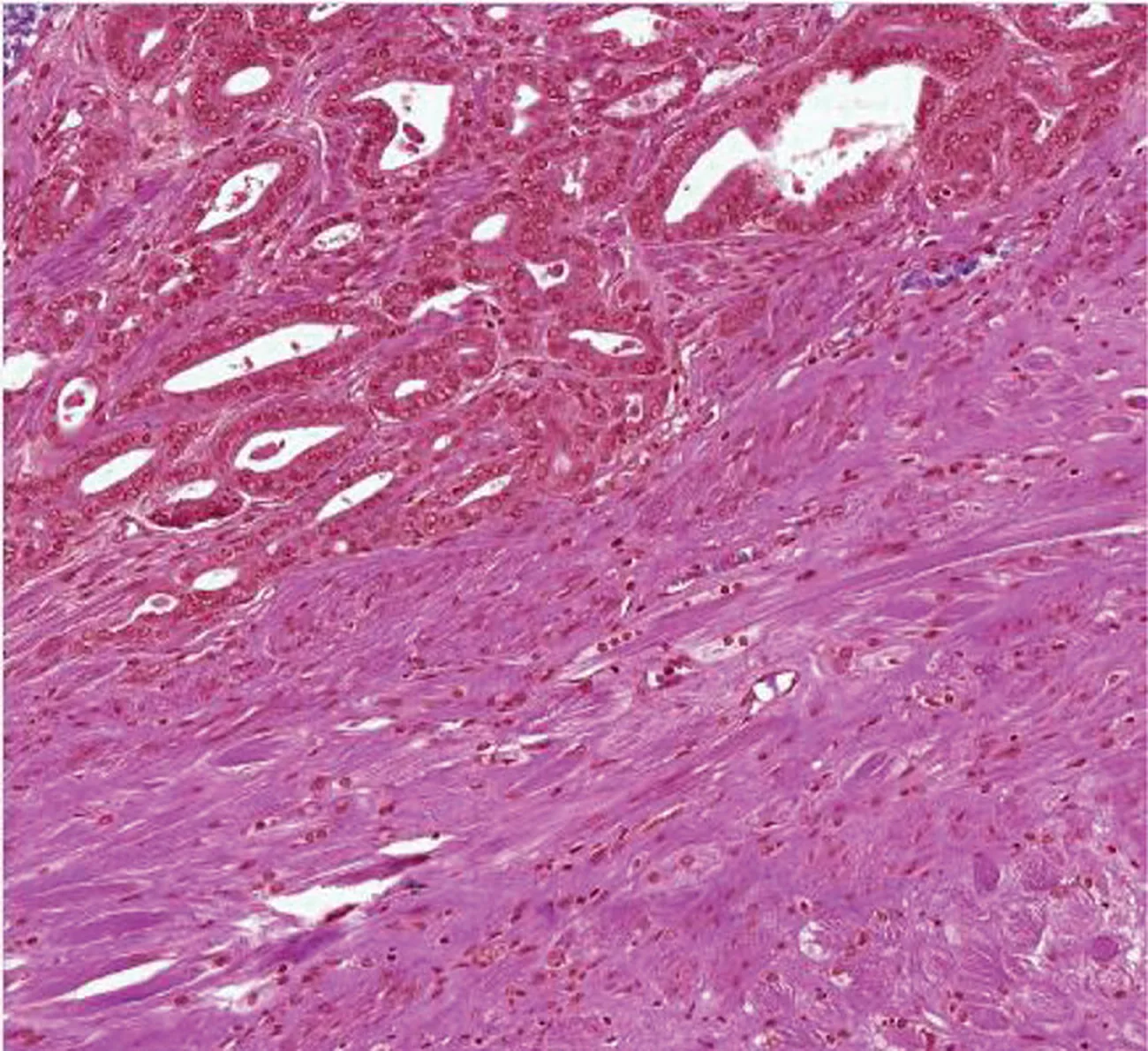
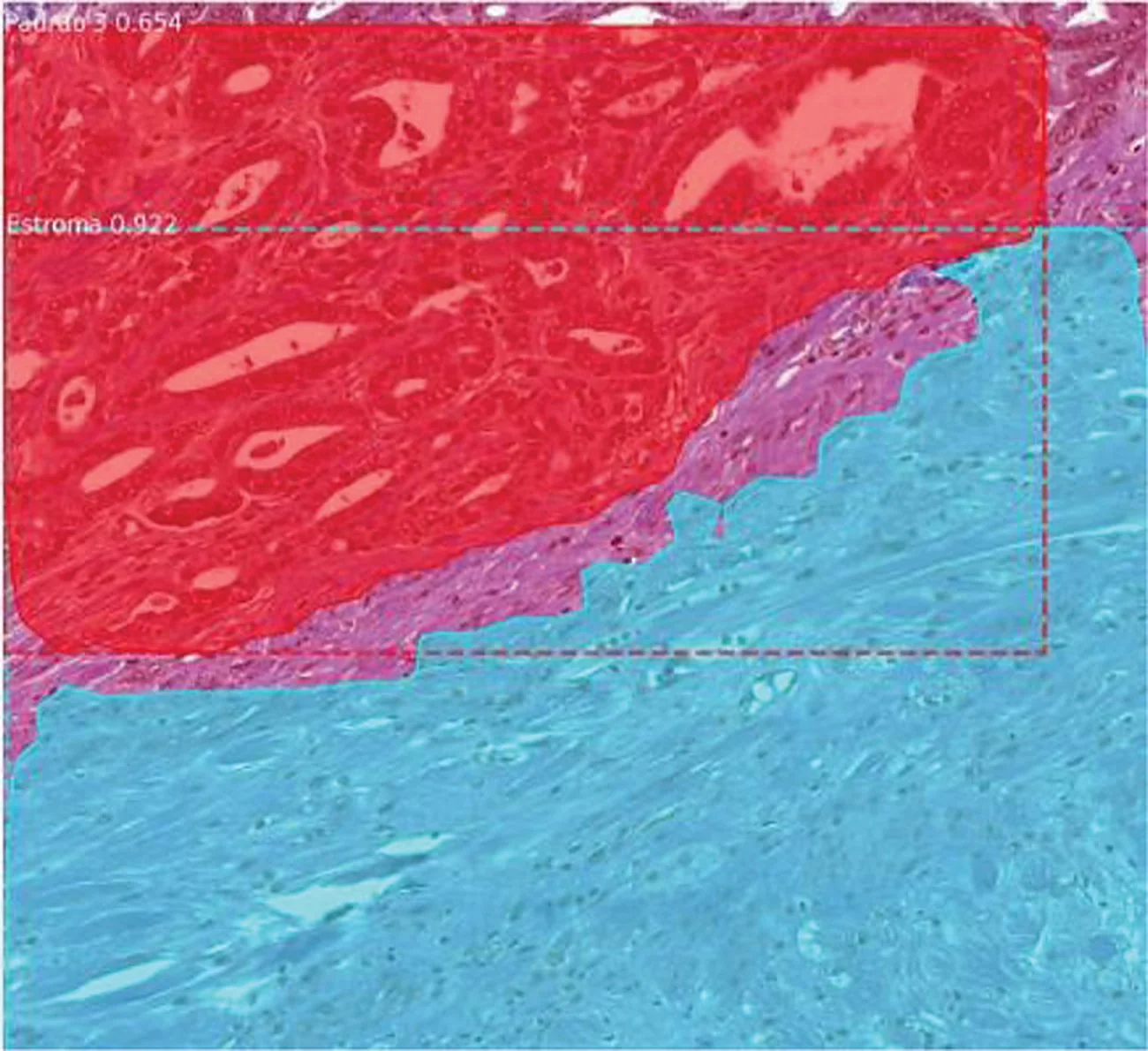
The slide is scanned and divided into small pieces. A pathologist marks on the images what is benign tissue and what is each Gleason pattern. From these examples, a neural network learns to recognize the patterns and is then tested on slides it has never seen.1
What I researched
In my PhD at the University of São Paulo Medical School, supervised by Prof. Katia Ramos Moreira Leite, I compared artificial intelligence with the assessment of an expert uropathologist in radical prostatectomy specimens.2
In one of the studies, we used 12 slides to train the system and 3 new ones to test it, with two methods:1
| Method | How it works | Result |
|---|---|---|
| Classification | Gives a single label to each image | 94.1% accuracy in training and 44% agreement with the uropathologists on the new slides |
| Scanning | Outlines each area of the slide and gives it a label | 91.2% accuracy in training and 89% agreement with the uropathologists on the new slides |
The number of slides was small. The result shows that the way the system is trained changes a great deal what it delivers, and that a good number in training does not guarantee a good number on new slides.1
In 2019, a study from this research, done with Carmen Estivallet and Katia Leite, received 2nd place at the 37th Brazilian Congress of Urology. In 2024, I took part with Prof. Katia in a review on the subject.3
What larger studies show
| Study | How it was done | Result |
|---|---|---|
| Sweden, 2020 | 6,682 slides for training and 1,631 biopsies for testing | Area under the curve of 0.997 for separating benign tissue from cancer. For the Gleason score, agreement of 0.62, within the range of experts (0.60 to 0.73) |
| PANDA, 2022 | 10,616 digitized biopsies and 1,290 developers | Agreement of 0.862 and 0.868 with expert uropathologists, in the United States and Europe |
| Paige Prostate, 2023 | 18 pathologists, 610 biopsies, with and without help from the system | Better sensitivity and specificity with the help. It led to the first FDA authorization in the field |
Agreement is measured from 0 to 1, and the closer to 1, the higher it is.
Beyond diagnosis
The technology is also being studied to predict how the disease will behave. In a study with data from 5,727 patients, a model using slide images and clinical data was validated in 1,594 men from a randomized trial. In the 34% the model flagged, hormone therapy reduced the risk of metastasis. In the others, it brought no benefit.7
This is also the line of the work I presented at the American Urological Association meeting in 2024, on a model to predict recurrence from clinical and histological data.
The limits
The PANDA study showed good results on slides from several countries and called for evaluation in prospective studies.5 A system can make mistakes on slides that differ from the training slides, which also happened in our study.1 The diagnosis remains the pathologist's responsibility.
How I approach it
In my practice, the decision starts from the pathologist's report, read together with the PSA, the rectal exam and the MRI. When treatment depends on a detail, I may ask a uropathologist to review the slides.
When to see a urologist
- If you received a biopsy report and want to understand the Gleason score
- If treatment depends on a detail in the report
- If you want a second reading of the slides
Frequently asked questions
Does artificial intelligence replace the pathologist?+
No. The systems studied help the pathologist read the slide, and the PANDA study argues that they still need to be tested in prospective studies.5,6
Does artificial intelligence get the Gleason score right?+
In studies with digital slides, the best systems had agreement close to that of expert pathologists.4,5 The result depends on how the system was trained. In my study, agreement was 44% with one method and 89% with another.1
Is there a system approved for use?+
Yes. Paige Prostate was the first artificial intelligence system in pathology authorized by the US FDA.6
Was my report made with artificial intelligence?+
Ask the laboratory that did the test. The report carries the signature of the pathologist, who is responsible for the diagnosis.
Does the technology help choose treatment?+
It is being studied for that. In a study of 5,727 patients, a model using slide images and clinical data identified who might benefit from hormone therapy alongside radiotherapy.7
References
- Melo PAS, Estivallet CLN, Srougi M, et al. Detecting and grading prostate cancer in radical prostatectomy specimens through deep learning techniques. Clinics (Sao Paulo). 2021;76:e3198. PubMed
- Melo PAS. Concordância entre inteligência artificial e uropatologista expert na detecção e graduação histológica do câncer de próstata em espécimes de prostatectomia radical. Doctoral thesis. University of São Paulo Medical School; 2023. USP
- Leite KRM, Melo PAS. Artificial Intelligence in Uropathology. Diagnostics (Basel). 2024;14(20). PubMed
- Ström P, Kartasalo K, Olsson H, et al. Artificial intelligence for diagnosis and grading of prostate cancer in biopsies: a population-based, diagnostic study. Lancet Oncol. 2020;21(2):222-232. PubMed
- Bulten W, Kartasalo K, Chen PC, et al. Artificial intelligence for diagnosis and Gleason grading of prostate cancer: the PANDA challenge. Nat Med. 2022;28(1):154-163. PubMed
- Raciti P, Sue J, Retamero JA, et al. Clinical Validation of Artificial Intelligence-Augmented Pathology Diagnosis Demonstrates Significant Gains in Diagnostic Accuracy in Prostate Cancer Detection. Arch Pathol Lab Med. 2023;147(10):1178-1185. PubMed
- Spratt DE, Tang S, Sun Y, et al. Artificial Intelligence Predictive Model for Hormone Therapy Use in Prostate Cancer. NEJM Evid. 2023;2(8):EVIDoa2300023. PubMed
Would you like to talk about your case?
In the consultation, I go over your tests and your priorities.
Book a consultation