

Quick answer
The Gleason score and the ISUP grade group measure how aggressive prostate cancer looks under the microscope. Gleason appears as two numbers added together, such as 3+4=7, and the ISUP grade group summarizes this result on a scale from 1 to 5.1,3 The higher the group, the more aggressive the tumor usually is. Group 1, which corresponds to Gleason 6, is the lowest.1
How Gleason works
The pathologist looks at the biopsy samples under the microscope and scores the pattern of the glands. The more the tissue loses its normal organization, the higher the score.
The report adds two patterns. In a Gleason 3+4=7, the 3 is the predominant pattern and the 4 is the next one. The order changes the meaning: 3+4 and 4+3 both add up to 7, but they behave differently.1,2
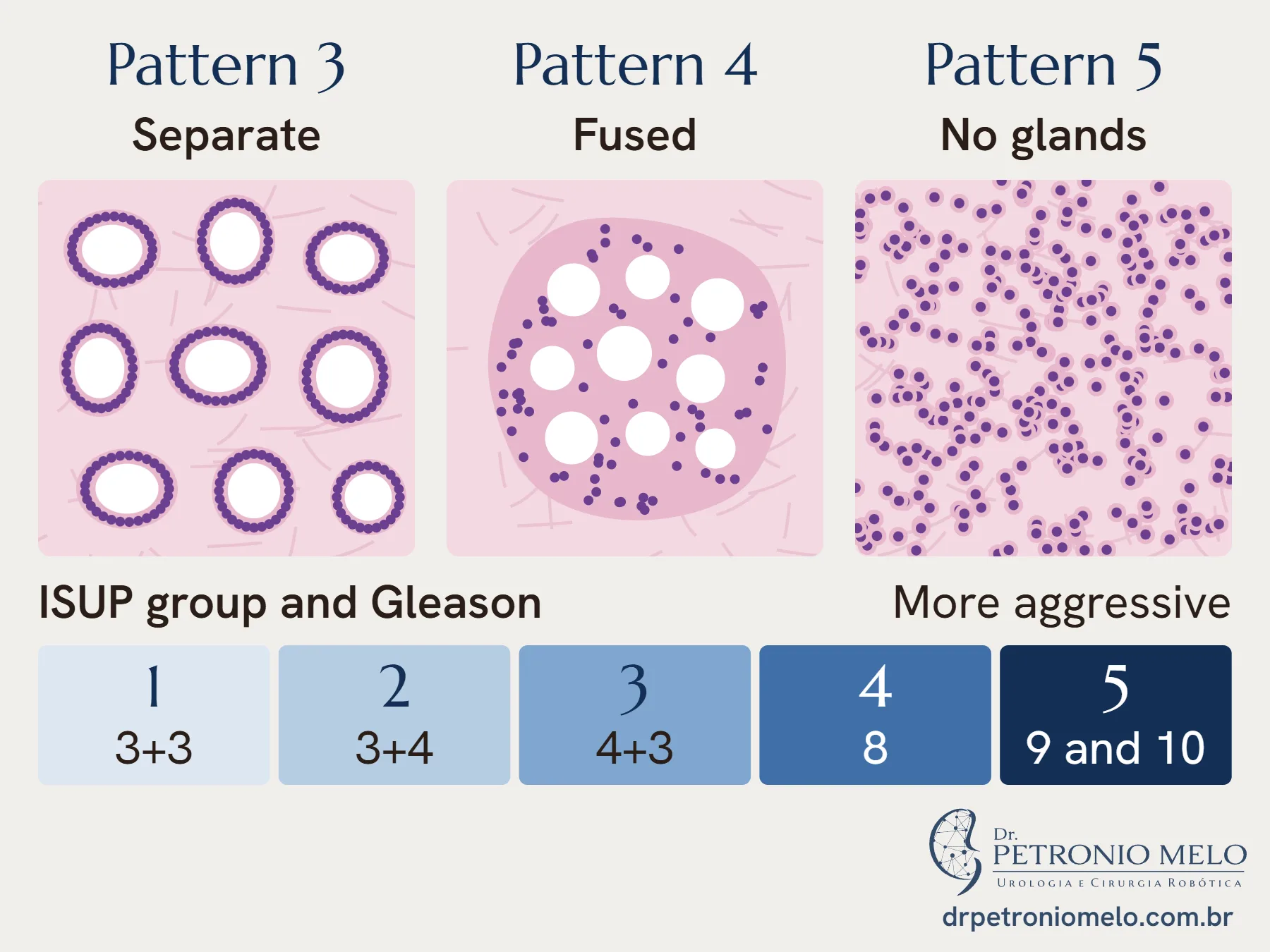
Gleason and ISUP grade group
ISUP grade groups were created in 2014 to simplify the scale and separate the results better.1 A study of 20,845 men who had surgery compared each group with group 1, measuring the chance of PSA rising again after surgery:2,3
| Gleason | ISUP grade group | Chance of PSA rising again |
|---|---|---|
| 6 (3+3) | 1 | Comparison group |
| 7 (3+4) | 2 | 1.9 times higher |
| 7 (4+3) | 3 | 5.1 times higher |
| 8 | 4 | 8 times higher |
| 9 and 10 | 5 | 11.7 times higher |
These numbers compare groups of patients and do not say what will happen to you.
What else the report includes
Besides the Gleason score, it is worth looking at:
- Samples with cancer: how many were taken, how many had tumor and how much of each was involved.
- Amount of pattern 4: the 2019 ISUP conference discussed how to report this.4
- Cribriform pattern: a gland pattern that counts as pattern 4 and should be reported.1,4
- Intraductal carcinoma: a finding associated with aggressive tumors.1
ASAP and high-grade PIN
These two findings are not a cancer diagnosis.
ASAP stands for atypical small acinar proliferation. The pathologist saw suspicious glands, without enough to confirm cancer. This happens in under 5% of biopsies.3
In high-grade PIN, the cells are abnormal, but the clinical impact of the finding is unknown.3
In a recent series cited by the European guideline, the chance of finding clinically significant cancer on a repeat biopsy was 6% to 8%, with no important difference from a previous negative biopsy. That is why the guideline does not call for a routine repeat biopsy.3 A review of 16 studies on ASAP found 12.1%.6 If suspicion remains, MRI is the next step.3
From the report to the risk group
The ISUP grade group is one piece of the decision. The European guideline combines it with PSA and the rectal exam:3
| Risk group | Criteria |
|---|---|
| Low | ISUP 1 and PSA below 10 ng/mL |
| Favorable intermediate | ISUP 2 and PSA below 10, or ISUP 1 and PSA of 10 to 20 ng/mL |
| Unfavorable intermediate | ISUP 2 and PSA of 10 to 20 ng/mL, or ISUP 3 |
| High | ISUP 4 or 5, or PSA above 20 ng/mL |
| Locally advanced | Tumor extending beyond the prostate on exam, or involved lymph nodes |
In the first four groups, the tumor is confined to the prostate on the rectal exam. To see how this guides the choice, read surgery or radiotherapy.
My research in this area
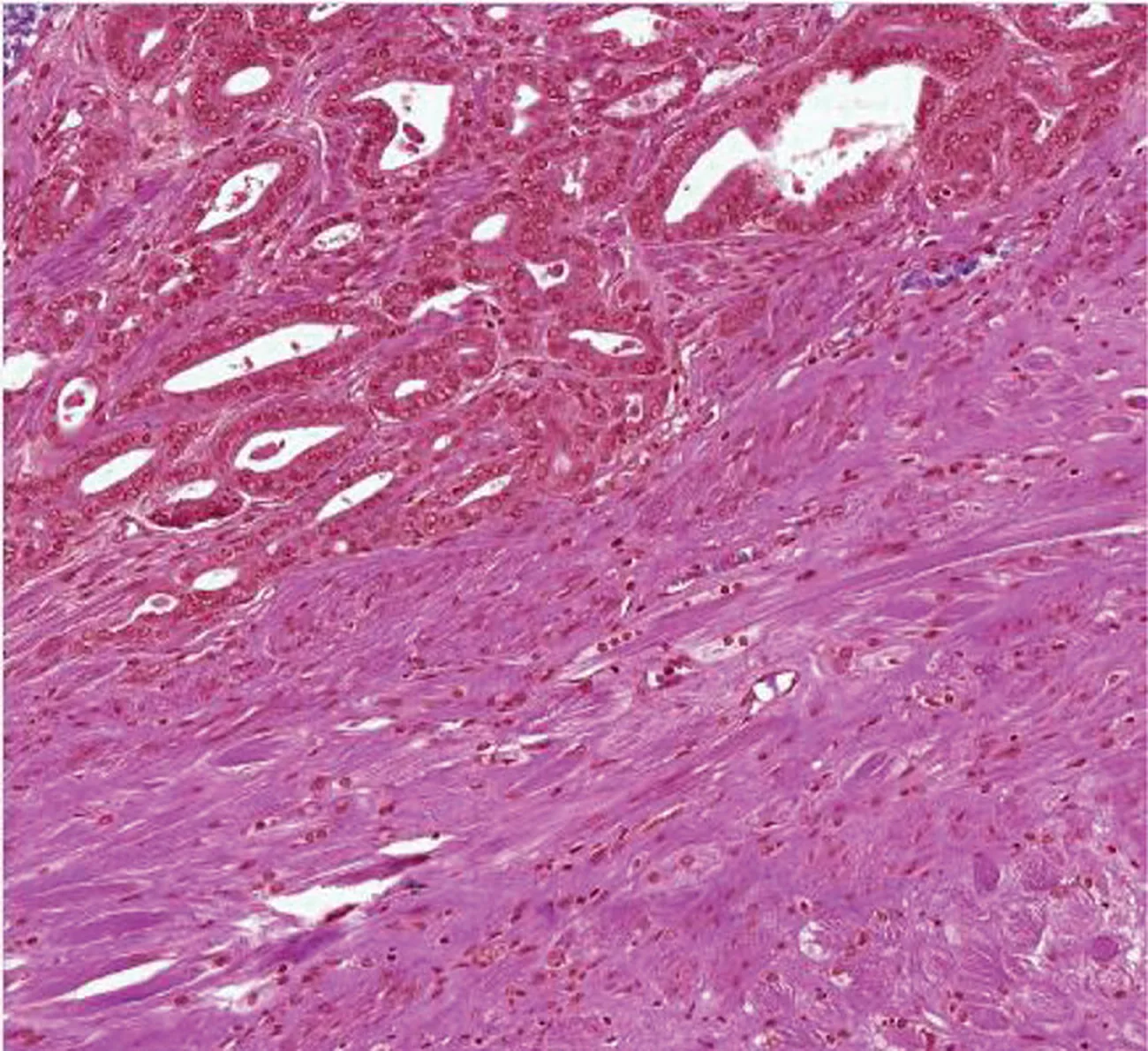
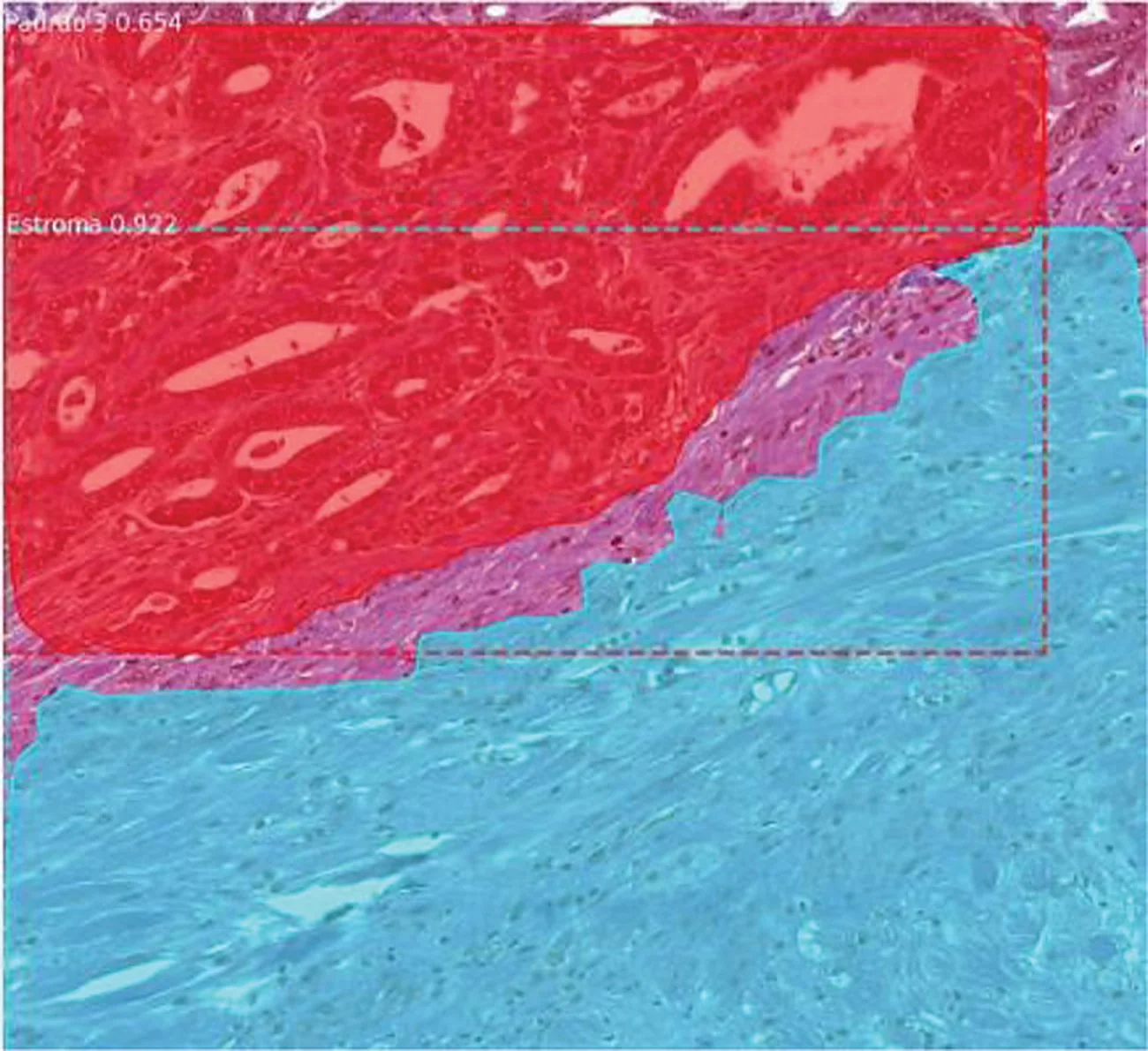
For my PhD at the University of São Paulo, I studied artificial intelligence for detecting and grading prostate cancer in radical prostatectomy specimens. The models were trained on slides annotated by pathologists, with areas of stroma, normal glands and Gleason patterns 3, 4 and 5.7
How I approach it
In my practice, I read the whole report with you and explain each line, without looking only at the Gleason number. When the decision depends on a detail in the report, I may ask a uropathologist to review the slides. Then we put the report together with the PSA, the rectal exam and the MRI to define the risk group.
When to see a urologist
- If your report shows cancer, ASAP or high-grade PIN
- If you did not understand the result
- If you want a second opinion before deciding on treatment
Frequently asked questions
Is Gleason 6 serious?+
Gleason 6 is the lowest grade in use, equivalent to ISUP grade group 1.1 The scale goes up to 10, which makes the number look middling, but it sits at the start of the scale.1 For low-risk disease, active surveillance is the approach recommended by the European guideline.5
What is the difference between Gleason 3+4 and 4+3?+
Both add up to 7, but the first number shows the predominant pattern. 3+4 is ISUP grade group 2, and 4+3 is ISUP grade group 3.3 After surgery, the risk of PSA rising again was higher with 4+3.2
What does ISUP 2 mean?+
It corresponds to Gleason 7 (3+4).3 In selected cases with favorable features, active surveillance can be discussed. In others, we talk about surgery and radiotherapy.5
Is ASAP in the prostate cancer?+
It is not a cancer diagnosis. It means the pathologist saw suspicious glands, without certainty. This appears in under 5% of biopsies.3 The European guideline considers that a routine repeat biopsy is not needed in this situation.3
What is high-grade PIN?+
It is a change in prostate cells seen on biopsy, and it is not cancer. Its clinical impact is unknown, and the European guideline does not advise a routine repeat biopsy for this finding.3
References
- Epstein JI, Egevad L, Amin MB, et al. The 2014 International Society of Urological Pathology (ISUP) Consensus Conference on Gleason Grading of Prostatic Carcinoma: Definition of Grading Patterns and Proposal for a New Grading System. Am J Surg Pathol. 2016;40(2):244-252. PubMed
- Epstein JI, Zelefsky MJ, Sjoberg DD, et al. A Contemporary Prostate Cancer Grading System: A Validated Alternative to the Gleason Score. Eur Urol. 2016;69(3):428-435. PubMed
- EAU-EANM-ESTRO-ESUR-ISUP-SIOG Guidelines on Prostate Cancer. European Association of Urology; 2026. EAU
- van Leenders GJLH, van der Kwast TH, Grignon DJ, et al. The 2019 International Society of Urological Pathology (ISUP) Consensus Conference on Grading of Prostatic Carcinoma. Am J Surg Pathol. 2020;44(8):e87-e99. PubMed
- Cornford P, van den Bergh RCN, Briers E, et al. EAU-EANM-ESTRO-ESUR-ISUP-SIOG Guidelines on Prostate Cancer, 2024 Update. Part I: Screening, Diagnosis, and Local Treatment with Curative Intent. Eur Urol. 2024;86(2):148-163. PubMed
- Ji WT, Jin XF, Wang Y, et al. The Rate of Clinically Significant Prostate Cancer on Repeat Biopsy after a Diagnosis of Atypical Small Acinar Proliferation: A Systematic Review and Meta-Analysis. Oncology. 2024;102(7):631-640. PubMed
- Melo PAS, Estivallet CLN, Srougi M, Nahas WC, et al. Detecting and grading prostate cancer in radical prostatectomy specimens through deep learning techniques. Clinics (Sao Paulo). 2021;76:e3198. PubMed
Would you like to talk about your case?
In the consultation, I go over your tests and your priorities.
Book a consultation