

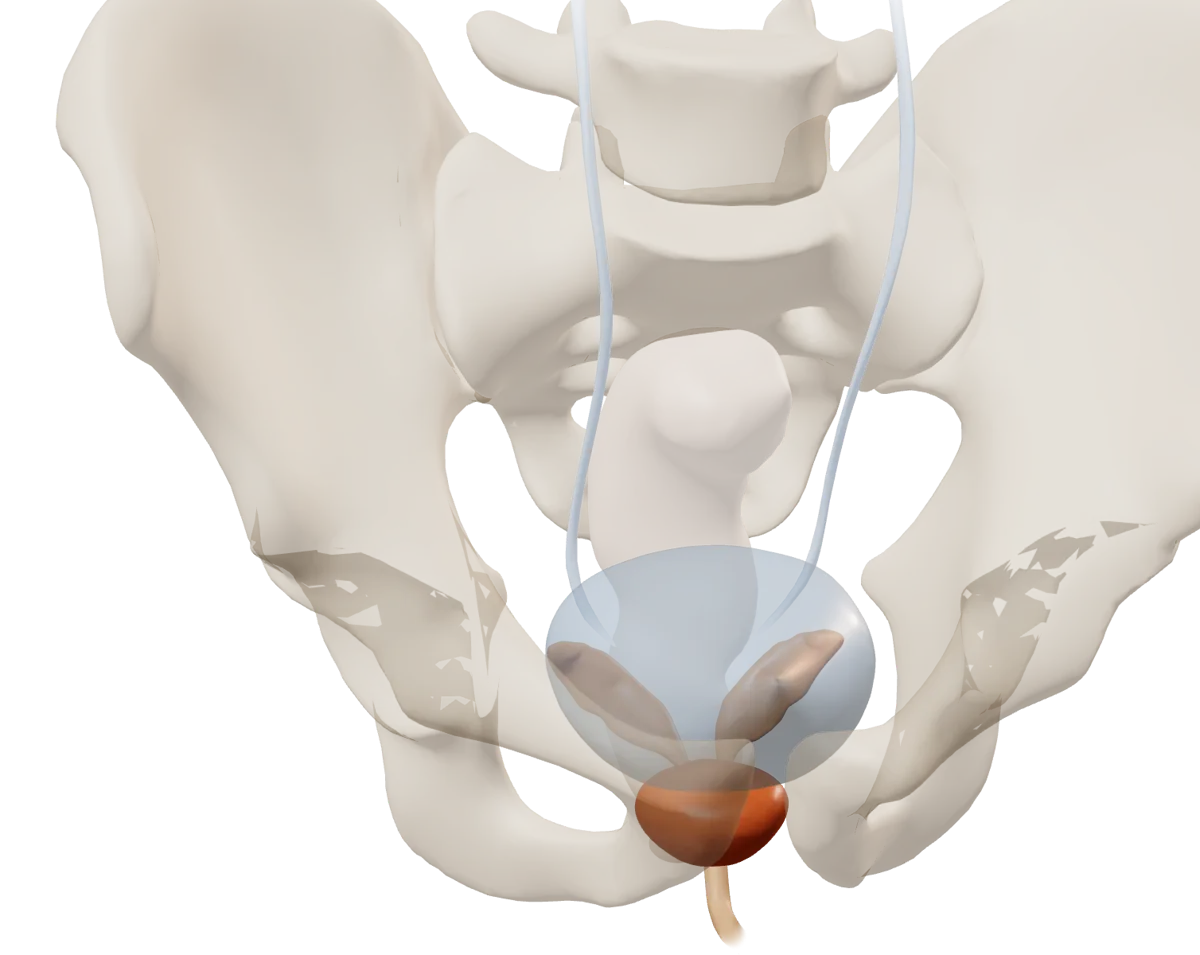
Quick answer
Robotic radical prostatectomy removes the prostate and the seminal vesicles through small incisions in the abdomen, with the surgeon controlling a robot. It is one of the options for localized prostate cancer, alongside active surveillance and radiotherapy.1 Compared with open surgery, the robotic approach had less bleeding, a shorter hospital stay and better recovery of continence and erections in the most recent studies.2,3
What it is
The surgeon sits at a console, in the same room, and controls the robot's arms. The instruments enter through small incisions in the abdomen, and the camera shows the field magnified and in three dimensions.
Who it is for
The decision takes into account the risk of the tumor, your health and what matters most to you.1 During the consultation, we review together:
- PSA, rectal exam and MRI
- Biopsy results, including Gleason score and ISUP grade group
- Age, other conditions and previous surgeries
- Your current bladder control and erections
How the operation is done
- PreparationYou receive guidance on tests, medications and fasting before admission.
- AccessUnder general anesthesia, the instruments enter through small incisions in the abdomen.
- RemovalThe prostate and seminal vesicles are removed. When indicated, we also remove lymph nodes from the pelvis.1
- ReconstructionThe bladder is joined to the urethra, and a catheter stays in place during healing.
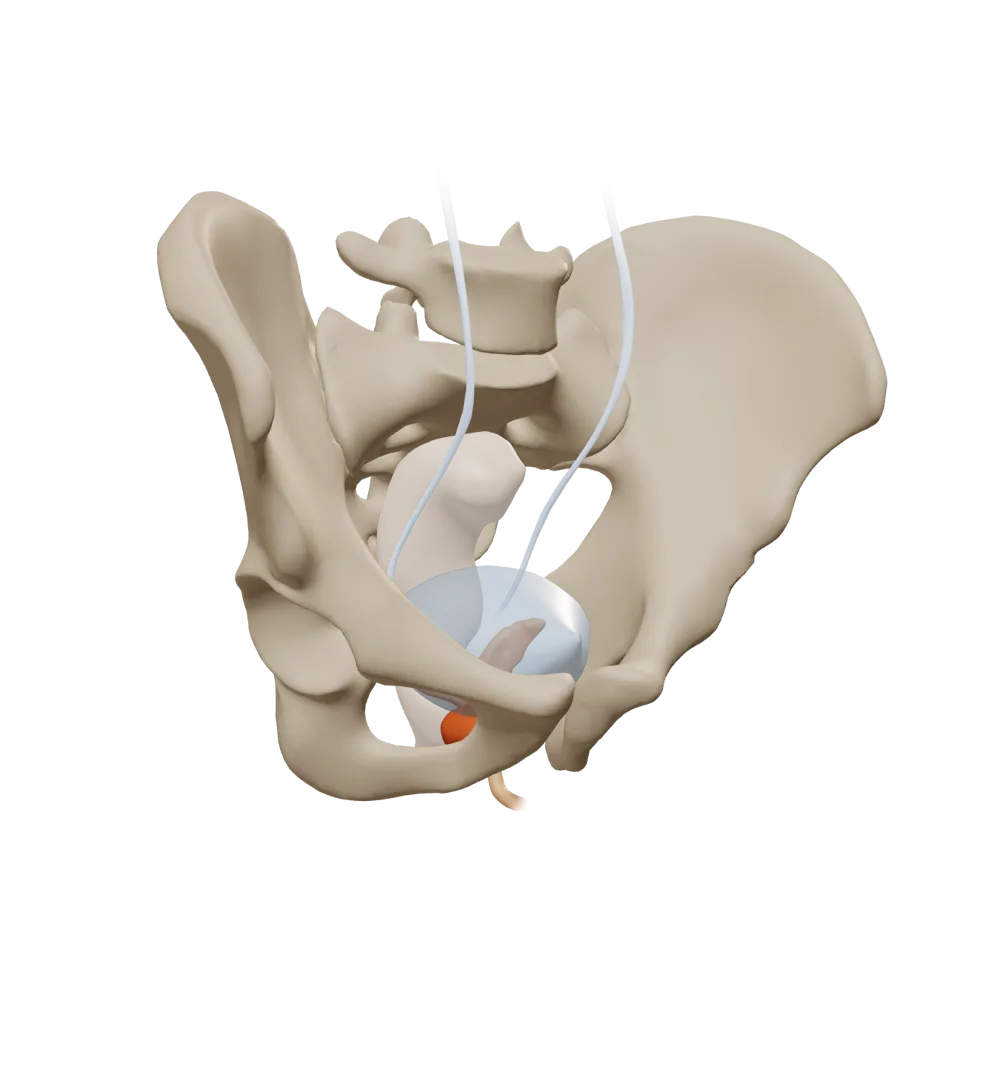
Schematic illustration.
What the studies show
A 2024 randomized study from the University of São Paulo and a 2026 review of 27 studies with 38,530 patients compared robotic with open surgery.2,3
| Comparison | Robotic compared with open | Study |
|---|---|---|
| Bleeding | Less: median of 250 mL vs 719.5 mL | Nahas, 2024 |
| Hospital stay | Shorter | Nahas, 2024; Suartz, 2026 |
| Transfusion | Less frequent | Suartz, 2026 |
| Pain in the first week | Less | Yaxley, 2016 |
| Continence at 18 months | 95.4% vs 78.8% | Nahas, 2024 |
| Erections at 6 months | 30.6% vs 6.9% | Nahas, 2024 |
| Cancer control at 36 months | Similar | Nahas, 2024 |
The 2026 review concludes that robotic surgery favors functional recovery and calls for new randomized studies with longer follow-up.3
Recovery
- DischargeYou go home with the catheter.
- First daysThe catheter stays for a few days after discharge.
- Catheter outThere may be urine leakage and weaker erections at first, but most patients improve.
- Following monthsRecovery continues, at a different pace for each person.
We talk about this before the operation.
How I approach it
I operate with the da Vinci Xi platform. I completed the specialization in robotic urologic surgery at IRCAD Latin America and hold a certification from Intuitive Surgical. To date, I have performed more than 1,500 robotic and laparoscopic surgeries, more than 500 of them robotic.
Frequently asked questions
Does the robot operate on its own?+
No. Every movement is controlled by the surgeon, who stays at the console throughout the operation.
Is robotic surgery better than open surgery?+
In the most recent studies, robotic surgery had less bleeding, a shorter hospital stay and better recovery of continence and erections.2,3 That is also what I see in my practice. Cancer control was similar with both techniques at 36 months.2
Will I have incontinence?+
There may be urine leakage in the first months, but the great majority of patients regain continence. In a randomized study from the University of São Paulo, 95.4% of those operated on with the robot were continent at 18 months.2 In the consultation, we look at what matters in your case.
References
- Eastham JA, Auffenberg GB, Barocas DA, et al. Clinically Localized Prostate Cancer: AUA/ASTRO Guideline, Part I. J Urol. 2022;208(1):10-18. PubMed
- Nahas WC, Rodrigues GJ, Rodrigues Gonçalves FA, et al. Perioperative, Oncological, and Functional Outcomes Between Robot-Assisted Laparoscopic Prostatectomy and Open Radical Retropubic Prostatectomy: A Randomized Clinical Trial. J Urol. 2024;212(1):32-40. PubMed
- Suartz CV, Costa MSS, Matalani CFA, et al. Comparative functional, perioperative and oncological outcomes of robot-assisted and open radical prostatectomy: a systematic review and meta-analysis. Int Urol Nephrol. 2026;58(11):4575-4593. PubMed
- Yaxley JW, Coughlin GD, Chambers SK, et al. Robot-assisted laparoscopic prostatectomy versus open radical retropubic prostatectomy: early outcomes from a randomised controlled phase 3 study. Lancet. 2016;388(10049):1057-1066. PubMed
3D illustrations: BodyParts3D, © The Database Center for Life Science, licensed under CC Attribution-Share Alike 2.1 Japan.
Would you like to talk about your case?
In the consultation, I go over your tests and your priorities.
Book a consultation